Rosita Ståhl SWEDISH, b. 1985

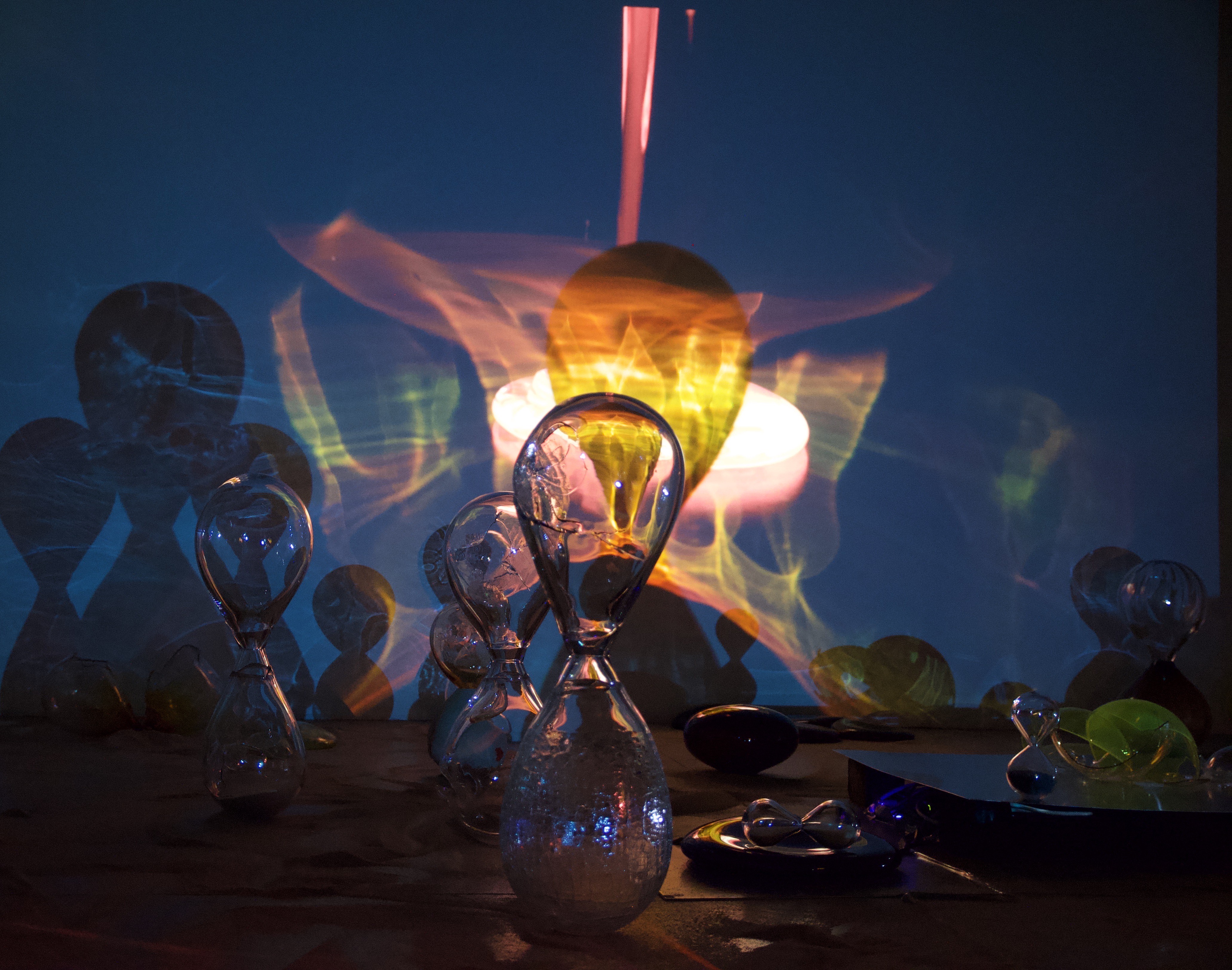
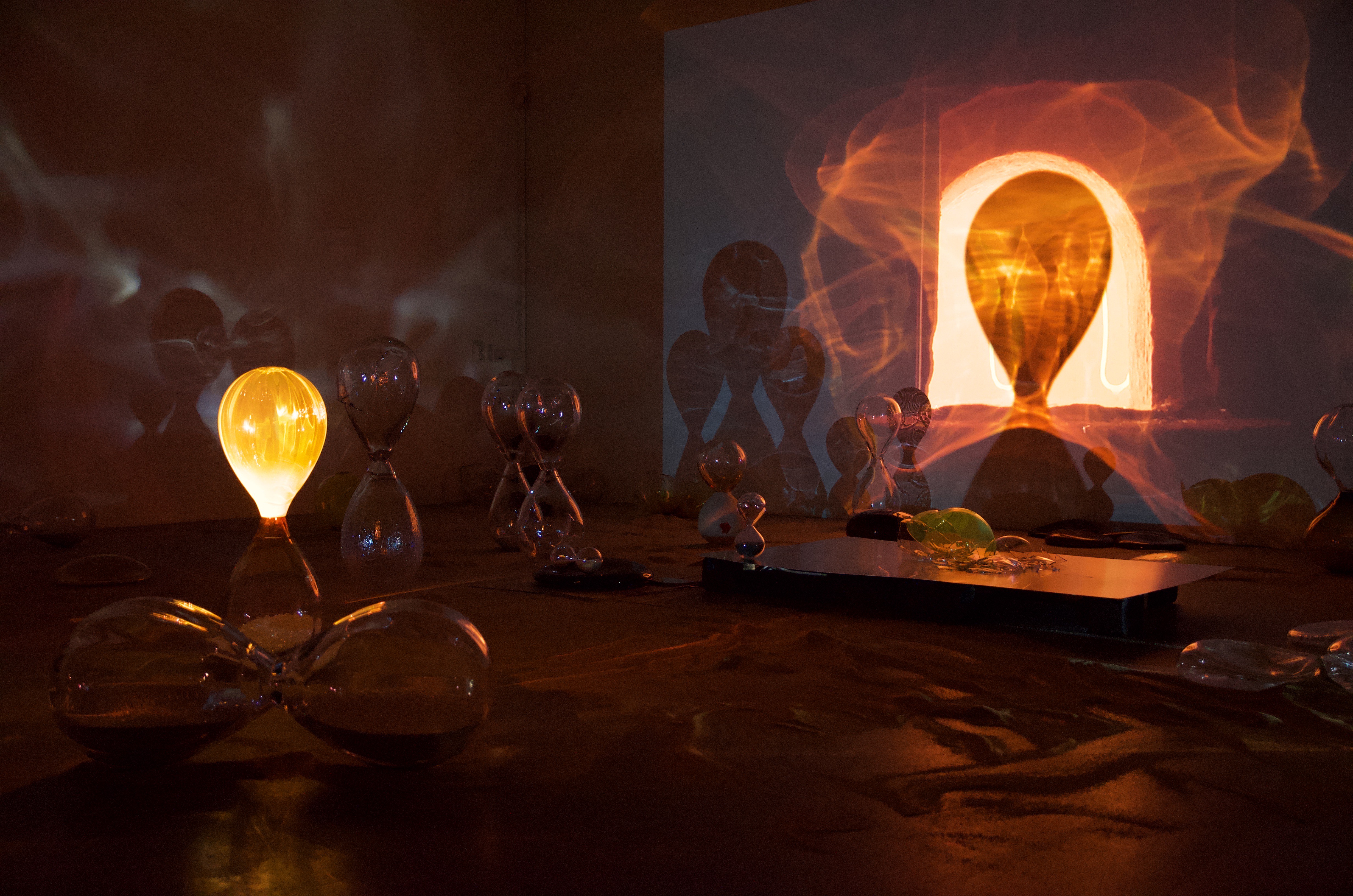
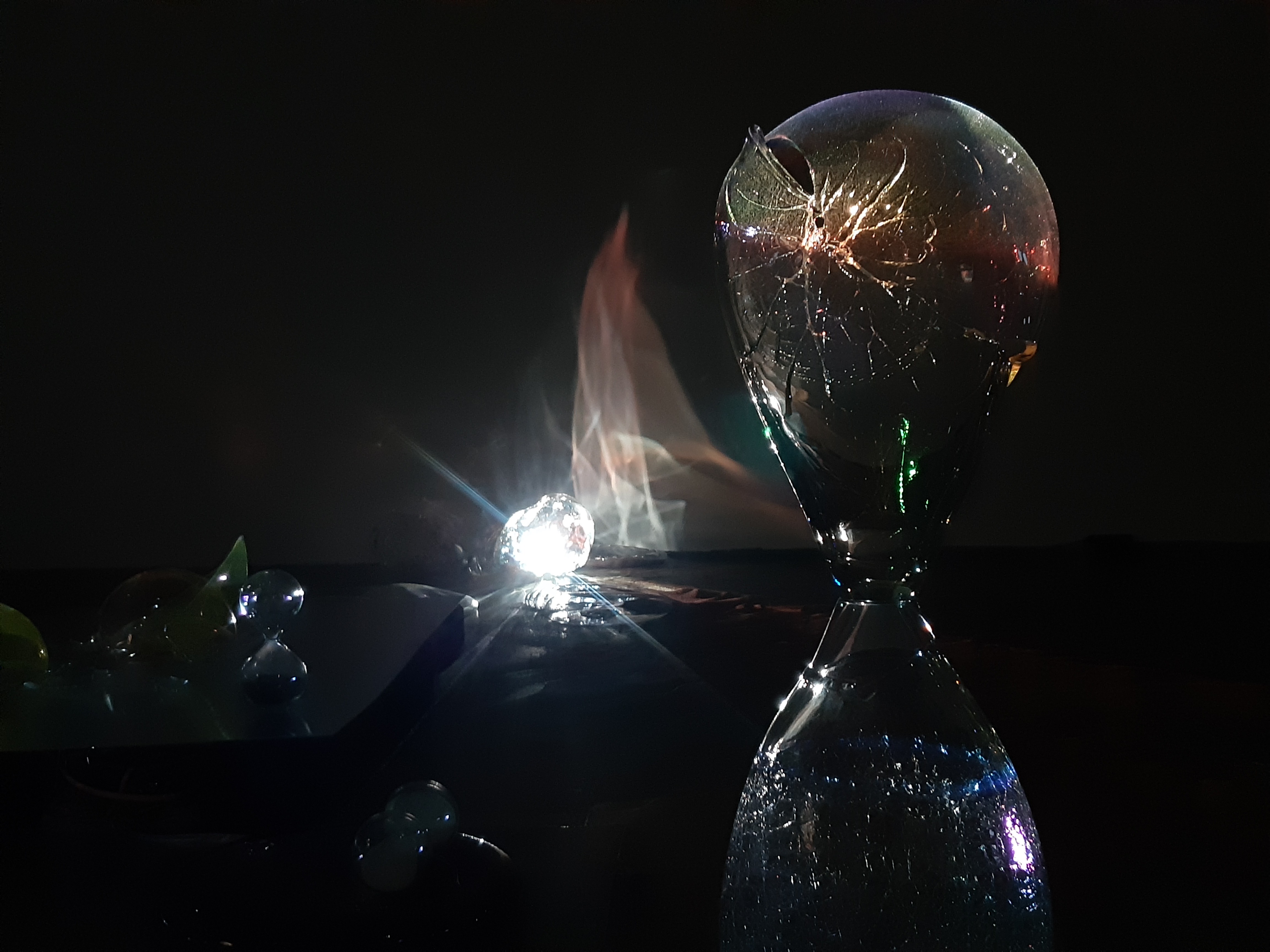
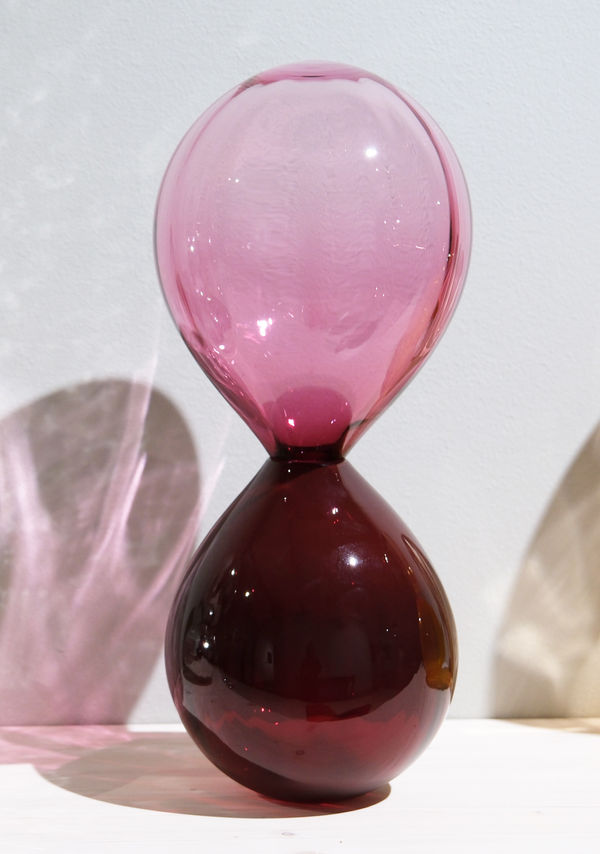
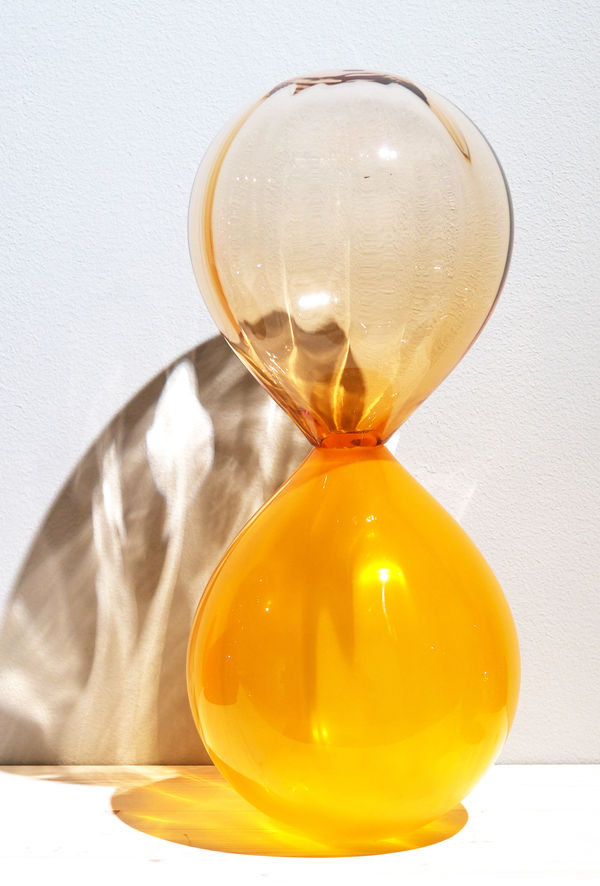
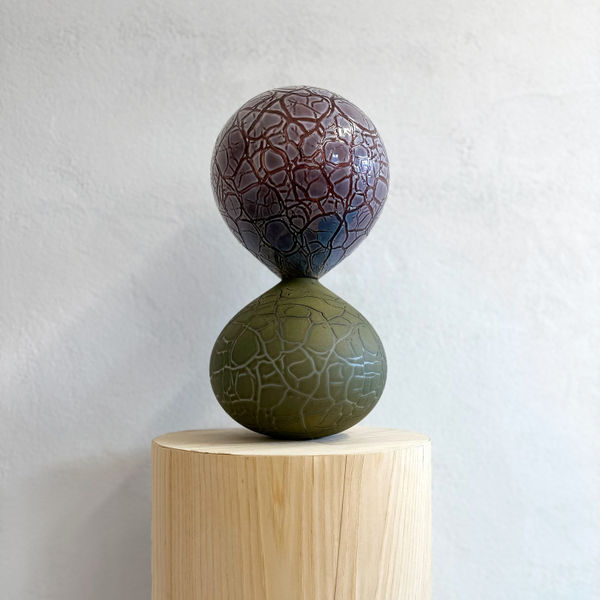
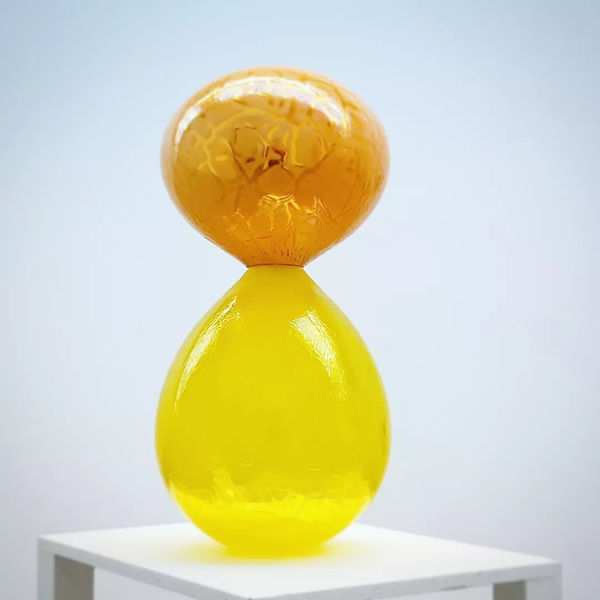
Ståhl’s recurring hourglass forms function not only as symbols of time but also as representations of knowledge and skill.
Rosita Ståhl (b. 1985) is a Swedish glass artist and craftsperson working with blown and sculpted glass. She positions herself as an integral part of every aspect of the creative journey, from the initial spark of an idea to the final realization of an installation, sculpture, or functional glass object. At the age of 16, Ståhl attended Orrefors Riksglasskola (2002), later earning a Bachelor of Fine Arts from the Royal Danish Academy of Fine Arts, and most recently a Master of Fine Arts (MFA) in Craft and Glass from Konstfack.
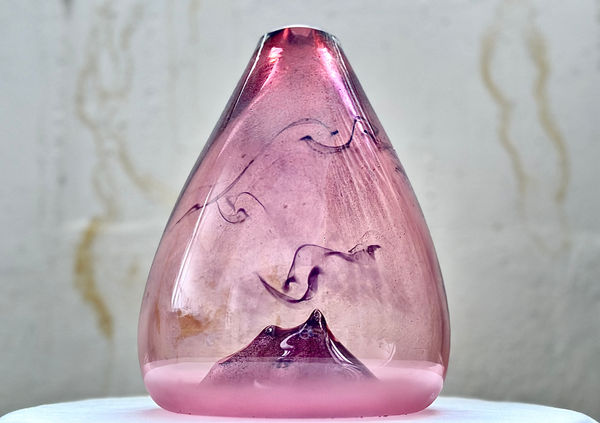
Born in Gothenburg, Ståhl now works from her studio in Gustavsberg, Stockholm. Her artistic expression is deeply rooted in narratives drawn from personal experiences, emotions, and the landscapes she has encountered, often inspired by cherished travel memories and the mountainous environments she has visited.
Ståhl’s recent works include sculptural forms and installations that explore the essence of labour and craftsmanship. Her practice bridges historical and contemporary approaches to glass, revealing complex layers of authorship. These installations often incorporate glass, light, and sound, alongside video, moving images, and projections, to create subtle, poetic, and universal experiences. Through the unique qualities of glass, Ståhl narrates diverse stories in which light, shadow, reflection, and refraction play pivotal roles, while simultaneously highlighting both the presence and invisibility of the maker. She frequently inserts herself or other creators as narrators through video or sound, encouraging critical reflection and inviting viewers to engage with the underlying layers and processes of creation.
Ståhl’s recurring hourglass forms function not only as symbols of time but also as representations of knowledge and skill. They speak to the dedication and duration required to become a craftsperson, while echoing the inherent fragility of glass itself. Central to her artistic mission is illuminating the role of the craftsperson and the places where glass is made. She draws attention to the fact that some artisans carry out the entire creative process independently, while others collaborate closely, or work within systems where designers employ artisans while retaining authorship. By foregrounding these distinctions, Ståhl seeks to deepen understanding of craftsmanship’s complex creative processes and to contribute to the preservation and enrichment of the cultural value of craft in both contemporary and historical contexts.
-
 Mountains in glass, mediumView more details
 -
-
-
Lightbody #2, 2024View more details
-
-
-
-
Hourglass #6View more details
-
Hourglass #5View more details
-
Hourglass #4, 2023View more details
-
Hourglass #3, 2023View more details
-
-
Hourglass #1, 2023View more details






-
Summer Show | works by gallery artists
1 - 31 Jul 2025We’re doing something new: for the first time ever, the gallery is staying open all through July! To celebrate, we’re filling the space with a hand-picked mix of works by...Read more -
Springbrunn – A group show with our gallery artists
11 Jan - 17 Feb 2024As spring arrives, a palpable sense of hope fills the air, mirroring the transformative thaw of ice that births life-giving water. The way this water shapes itself and flows forward...Read more